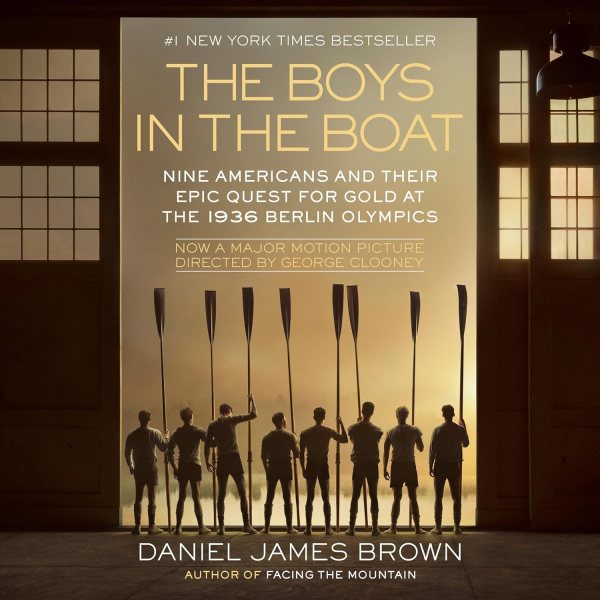
“The Hitchhiker’s Guide to the Galaxy” – Douglas Adams

The Hitchhiker's Guide to the Galaxy, originally a radio series by Douglas Adams, combines British humor and cosmic absurdity. It follows Arthur Dent’s chaotic adventures through space after Earth is destroyed. With quirky characters and profound themes, the book highlights the absurdity of life while offering timeless humor and wisdom in an unpredictable universe.

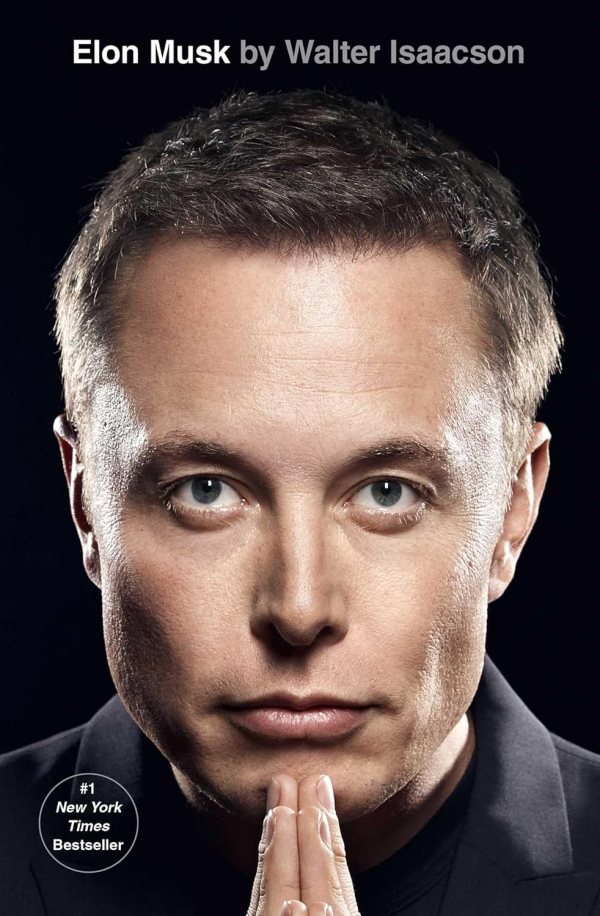
“Elon Musk” – Walter Isaacson

"Are the demons that drive Musk also what it takes to drive innovation?" Walter Isaacson’s biography of Elon Musk isn’t just a life story—it’s a psychological deep dive into trauma, risk, and the "hardcore" philosophy that built an empire. Whether you’re a fan or a critic, this look at the "machine that builds the machine" is a must-read.

“No Easy Day” – Mark Owen

Mark Owen's "No Easy Day" offers more than just a thrilling account of the mission that killed Osama bin Laden; it presents valuable lessons on leadership and high performance. Key principles include relentless preparation, radical accountability, and mastering the basics. These insights can significantly enhance professional growth in any field.

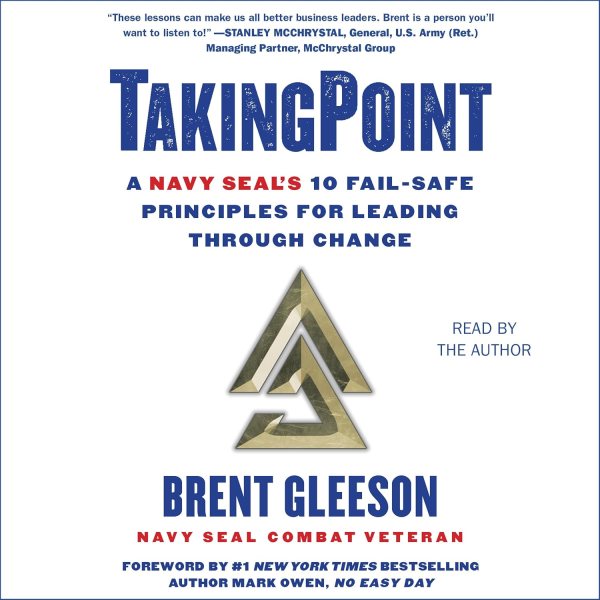
“Taking Point” – Brent Gleeson

Brent Gleeson's Taking Point emphasizes that effective leadership during change requires resilience, accountability, and culture. By adopting principles from Navy SEALs, leaders can foster trust, preparation, and inclusion, allowing teams to navigate challenges. Continuous improvement through reviews ensures adaptability, empowering organizations to thrive amidst uncertainty and change.

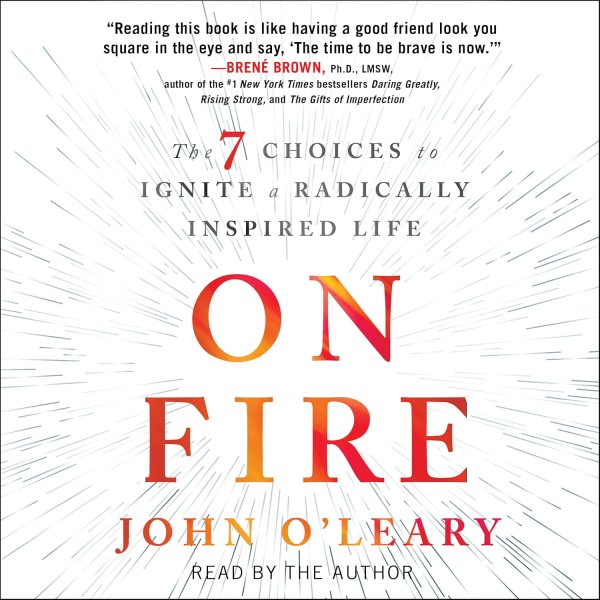
“On Fire” – John O’Leary

The core of O’Leary’s narrative isn't just the fire itself; it is the agonizing months and years that followed. He endured dozens of surgeries, amputations to his fingers, and the excruciating daily ritual of having dead skin scrubbed from his raw body. In the book, O'Leary writes about a pivotal moment in the hospital when his mother asked him, 'John, do you want to die? It’s okay if you do.' When he signaled that he didn't, she replied, 'Then you have to fight. You have to take the hand of God, and you have to fight.' That moment encapsulates the central theme of the book: adversity is inevitable, but victimhood is optional. The fire forced O'Leary to realize that while he had absolutely no control over the circumstances that befell him, he had total control over his response to them. The tragedy didn't break him; it burned away the non-essentials, revealing a core of steel he never knew he possessed.

Create a website or blog at WordPress.com

Up ↑