“On Fire” – John O’Leary

The core of O’Leary’s narrative isn't just the fire itself; it is the agonizing months and years that followed. He endured dozens of surgeries, amputations to his fingers, and the excruciating daily ritual of having dead skin scrubbed from his raw body. In the book, O'Leary writes about a pivotal moment in the hospital when his mother asked him, 'John, do you want to die? It’s okay if you do.' When he signaled that he didn't, she replied, 'Then you have to fight. You have to take the hand of God, and you have to fight.' That moment encapsulates the central theme of the book: adversity is inevitable, but victimhood is optional. The fire forced O'Leary to realize that while he had absolutely no control over the circumstances that befell him, he had total control over his response to them. The tragedy didn't break him; it burned away the non-essentials, revealing a core of steel he never knew he possessed.

AutoCon4: Keeping Automation Weird

AutoCon 4 showcased the maturity of network automation, emphasizing its importance for businesses. The conference featured dual tracks on advanced technology and leadership, highlighting the need for engineers to align automation with business value. Discussions on AI's practical applications, the evolving Source of Truth, and community engagement underscored the journey towards robust network automation.

“The Courage to be Disliked” – Ichiro Kishimi

The Courage to Be Disliked challenges societal norms around validation and happiness, proposing that true freedom comes from choosing happiness independently of past experiences. It emphasizes teleology over etiology, asserting that interpersonal relationships drive most problems. By cultivating self-acceptance, confidence in others, and community contribution, one can achieve genuine happiness.

“Sonny Boy” – Al Pacino

Al Pacino's autobiography, Sonny Boy, chronicles his journey from a turbulent Bronx childhood to Hollywood stardom, highlighting his deep love for acting. The book offers candid reflections on creativity's struggles, personal relationships, and the transformative power of art. Ultimately, it's a meditation on resilience, passion, and the meaning behind his illustrious career.

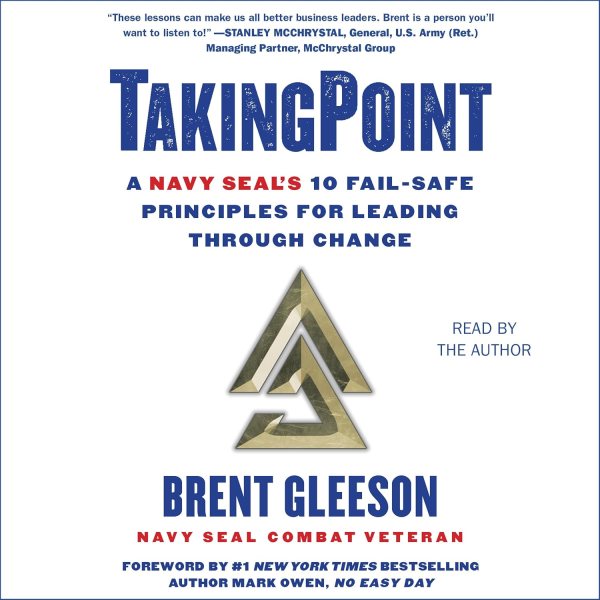
“Embrace the Suck” – Brent Gleeson

Brent Gleeson’s "Embrace the Suck" uses Navy SEAL stories to show how facing adversity builds resilience. He argues that mental strength isn't fixed but can be grown through challenge. By sharing compelling anecdotes and connecting them to civilian life, Gleeson inspires readers to reframe their struggles as opportunities for personal and professional growth.

“Dare to Lead” – Brene Brown

Brené Brown's "Dare to Lead" redefines leadership by emphasizing empathy, vulnerability, and trust. It introduces the BRAVING framework, outlining trust's seven elements: Boundaries, Reliability, Accountability, Vault, Integrity, Non-judgment, and Generosity. Brown advocates for leaders to cultivate trust-based cultures, encouraging authenticity and courage within organizations for greater effectiveness and employee empowerment.

Create a website or blog at WordPress.com

Up ↑